
Plastic Pellets: The Essential Material Powering Modern Industry

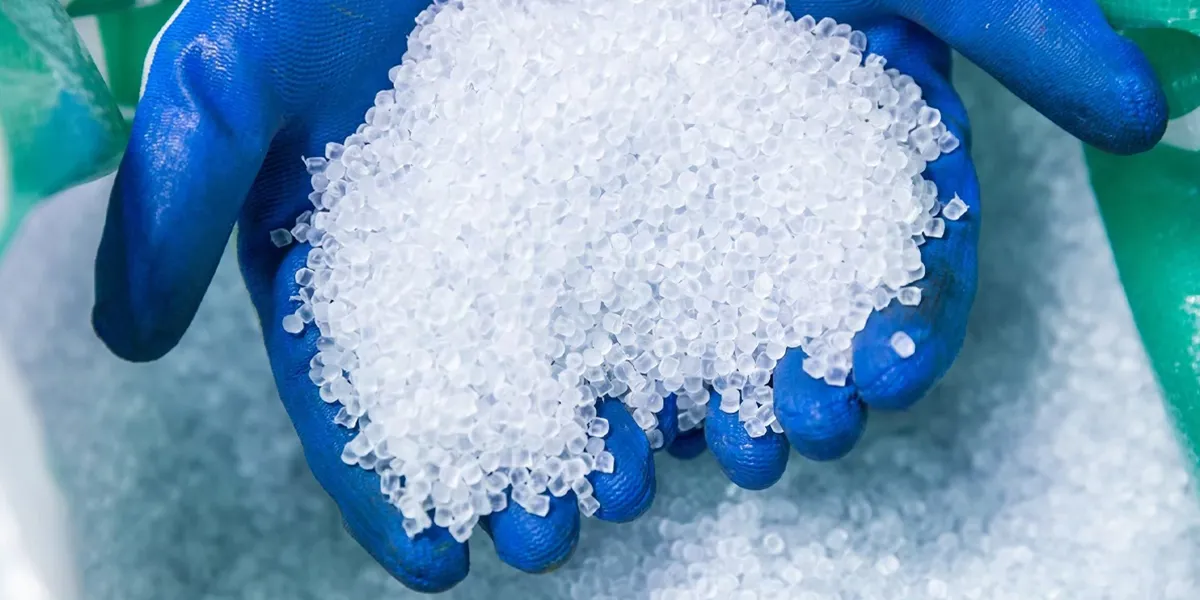
Plastic Pellets: The Essential Material Powering Modern Industry
Plastic pellets are small but highly versatile materials that form the foundation of countless plastic products used across modern industries. From food packaging and automotive components to electrical appliances, medical devices, and construction materials, plastic pellets play a critical role in modern manufacturing.
Understanding their raw materials, production processes, polymer types, properties, and applications provides valuable insight into the importance of plastics in both industry and everyday life.
What Are Plastic Pellets?
Plastic pellets, also known as polymer pellets or resin pellets, are small granules typically produced from thermoplastic or other polymeric materials. They are commonly supplied in pellet form for convenient handling, storage, transportation, and processing. Plastic pellets can be manufactured from petrochemical feedstocks, recycled plastics, or bio-based resources. Depending on their polymer structure and formulation, they can provide a wide range of properties, including strength, flexibility, chemical resistance, durability, lightweight performance, and processability. During manufacturing, pellets are melted and processed through various conversion technologies, including:
- Extrusion
- Injection Molding
- Blow Molding
- Rotational Molding
Raw Materials Used to Produce Plastic Pellets
- Petrochemical Feedstocks Hydrocarbon feedstocks derived from crude oil and natural gas are used to produce monomers such as Ethylene, Propylene, and Styrene, which are subsequently converted into polymers.
- Recycled Materials Post-industrial and post-consumer plastics can be processed into recycled resin pellets, helping reduce waste and improve resource efficiency.
- Bio-Based Feedstocks Renewable resources such as corn, sugarcane, and cassava can be used to produce certain bio-based polymers, reducing reliance on fossil-based feedstocks.
How Plastic Pellets Are Produced
- Monomer Production Petrochemical feedstocks are processed to produce monomers such as Ethylene, Propylene, and Styrene.
- Polymerization Monomers are chemically bonded through polymerization to form polymer chains with specific molecular structures and performance characteristics.
- Pelletizing The polymer is processed and converted into pellets with controlled dimensions for convenient transportation, storage, and downstream processing.
Major Types of Plastics
Thermoplastics Thermoplastics can be softened or melted through heating and reprocessed under appropriate conditions.
Common examples include:
- Polyethylene (PE) – Plastic bags, films, containers, and bottles
- Polypropylene (PP) – Food packaging, household products, automotive components
- Polyvinyl Chloride (PVC) – Pipes, profiles, flooring, and construction materials
- Polyethylene Terephthalate (PET) – Beverage bottles and packaging
- Polycarbonate (PC) – High-impact components, safety glazing, and optical applications Thermosetting Plastics
Thermosetting polymers undergo irreversible crosslinking during curing and cannot be remelted into their original form.
Examples include:
- Melamine-Formaldehyde (MF) – Tableware and kitchenware
- Polyurethane (PU) – Automotive seating, insulation, and industrial adhesives
- Epoxy Resin – Industrial coatings, adhesives, and surface protection
Key Properties of Plastic Materials
Plastic materials are widely used because they can offer a combination of:
- High Strength and Durability
- Flexibility and Toughness
- Low Density and Lightweight Performance
- Chemical Resistance
- Excellent Processability
- Tailored Material Properties through Additives and Formulation
These properties can be engineered to meet specific application and processing requirements.
- Applications Across Industries Plastic pellets are used in a wide variety of industries, including:
- Packaging Bottles, containers, plastic bags, and food packaging films.
- Automotive Bumpers, interior components, under-the-hood components, and structural parts.
- Construction Pipes, window profiles, flooring, insulation, and building materials.
- Electrical & Electronics Wire and cable insulation, switches, connectors, and electrical housings.
- Medical Medical-grade plastics for medical devices, packaging, syringes, and other healthcare applications.
- Agriculture Irrigation pipes, mulch films, greenhouse films, and agricultural applications.
Why Are Plastic Pellets Important?
Plastic pellets are fundamental raw materials that enable manufacturers to develop products with specific performance, functionality, durability, and cost requirements. At the same time, responsible plastic consumption is essential to minimize environmental impact. The development of recycled polymers, bio-based materials, and advanced recycling technologies will play an increasingly important role in building a more sustainable plastics industry.
How to Select the Right Plastic Resin
Choosing the appropriate resin requires consideration of several key factors:
- Required Material Properties Evaluate strength, stiffness, impact resistance, thermal resistance, transparency, chemical resistance, and other performance requirements.
- Processing Method Select a polymer grade compatible with the intended process, such as Injection Molding, Extrusion, Blow Molding, or Rotational Molding.
- Material Quality and Source Choose materials from reliable manufacturers and suppliers that meet relevant international quality and regulatory standards.
- Sustainability Requirements Consider recycled or bio-based materials where technically and commercially appropriate to improve resource efficiency and reduce environmental impact.
- Application-Specific Requirements Additional performance requirements such as UV resistance, heat resistance, flame retardancy, impact strength, or food-contact compliance should also be considered.
Conclusion
Plastic pellets are the foundation of modern plastic manufacturing, enabling the production of products and components across virtually every major industry. Understanding polymer types, material properties, processing technologies, and application requirements is essential for selecting the right resin and achieving consistent product performance. As the plastics industry moves toward a more sustainable future, the increasing adoption of recycled polymers, bio-based materials, and advanced recycling technologies will be essential in balancing industrial performance with environmental responsibility.